Wood vs. Composite: Choosing the Best Deck Material for Gulf South Weather
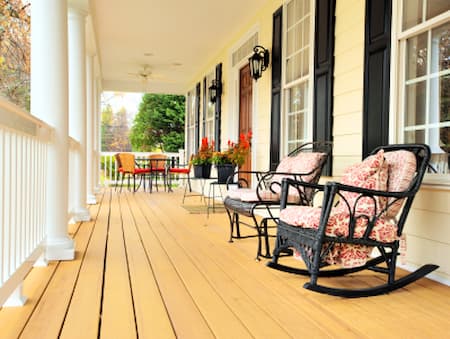
If you live in Slidell, you know our weather loves to test outdoor materials. Picking the right deck boards is less about trends and more about how well they handle heat, humidity, heavy rain, and the occasional tropical event. This guide walks through wood and composite options so you can match your deck to the Gulf South climate and your lifestyle.
When you want a pro-built deck that looks great and lasts, explore our deck building solutions with Triple J's Cutting Edge Construction. We’ll help you choose materials that fit your yard, your routine, and our local weather patterns.
What Gulf South Weather Does To Decks
In Slidell, long humid summers mean constant moisture exposure, frequent afternoon showers, and strong UV. Add storm season winds and wind‑driven rain, and deck boards expand, contract, and can warp if not chosen and installed correctly.
Near Lake Pontchartrain and Bayou Bonfouca, salt in the air can speed up corrosion on fasteners and brackets. Use corrosion‑resistant hardware rated for coastal conditions to protect your framing and guardrails. A good material choice plus the right hardware keeps your deck safe and stable year-round.
Wood Decks: Natural Beauty With Routine Care
Wood has timeless character and a comfortable feel underfoot. It’s easy to refresh with professional cleaning and finishing, and many homeowners love how it blends with live oaks and waterfront views around Eden Isle or Olde Towne.
Best Species For Slidell
- Pressure‑treated pine: widely available, budget‑friendly, and treated to resist rot when maintained.
- Cedar: attractive grain with natural resistance to decay; lighter weight for elevated decks.
- Dense hardwoods: very durable when installed correctly; they need specific fasteners and periodic finishing.
Work with a local pro who understands lumber grades and moisture content. Boards should be acclimated and fastened to allow movement without cupping.
Maintenance In A Humid Climate
Expect a regular maintenance rhythm. In our climate, wood performs best when it’s kept clean and sealed on a schedule that matches exposure. Shaded decks near trees may see more mildew; sunny decks may need UV protection. Skipping maintenance makes wood age faster, so plan for steady upkeep to protect color and grain.
Composite Decks: Low‑Maintenance Strength For Humid Summers
Composite boards mix wood fibers or mineral fillers with polymers for dimensional stability. Modern capped composites resist moisture intrusion, which helps reduce swelling, surface mildew, and splintering in high humidity.
How Modern Composites Hold Up
Today’s capped boards have a tough outer shell that guards against stains and fading. They won’t rot, and they’re less likely to warp when installed to spec. The tradeoff is that darker colors can feel warmer on bare feet in August. Ask about lighter, reflective tones or textured surfaces to cut heat.
Care And Cleaning
Composites don’t need staining, but they do need simple cleaning. Most homeowners rinse, spot‑clean spills, and schedule a gentle wash to keep pollen and algae from building up. Avoid harsh chemicals and high‑pressure tips that can damage caps or raise fibers.
Quick Pros And Considerations
- Wood: natural look, can be refinished, often cooler underfoot; needs consistent sealing and cleaning.
- Composite: low maintenance, stable in humidity, no splinters; can be warmer in full sun and needs proper gapping.
Either choice can be excellent in Slidell with the right framing, ventilation, and water management. It comes down to how much maintenance you want and how your yard gets sun, shade, and rain.
Local tip: Plan deck work outside peak storm months when possible so materials can dry and finishes cure more predictably. After heavy rain, a well‑ventilated frame helps moisture escape and lowers the chance of long‑term cupping or mildew.
Safety, Weight, And Structure Considerations
Deck safety starts with framing. Elevated decks in neighborhoods like Cross Gates or French Branch should use proper spans, joist sizes, and connectors that suit the board type and expected loads. Composites vary in allowable spans, and hardwoods can be heavier than pine. Have a qualified professional confirm spans, rail connections, and footing conditions before installation.
Hidden fasteners can give a clean look with many capped composites. For wood, face‑screwing with the right pattern can control movement. Whichever you choose, consistent gapping for drainage and airflow is essential in our humid climate.
Looks And Design That Fit Slidell Homes
Wood’s warm tones pair nicely with cottage styles in Olde Towne, while cool‑gray composites complement modern waterfront homes on or near Eden Isle. Picture‑frame borders, contrasting stair treads, and low‑gloss textures all help disguise footprints and pollen between cleanings. If your deck faces afternoon sun, lighter boards or partial shade structures can make summer evenings more comfortable.
Consider how furniture, grills, and planters will sit on the surface. Some composites offer higher scratch resistance for busy spaces, while certain wood species accept touch‑ups that blend into the grain. The best choice reflects how you actually use the space.
Moisture, Mold, And Mildew: What To Expect
Humidity encourages surface growth on almost any outdoor material. The difference is how quickly moisture sheds and how easily the surface cleans. Capped composites often rinse cleaner, while sealed wood looks great when upkeep is consistent. In shaded yards near canals, plan airflow under the deck and keep leaf litter from piling up along the edges.
Heat Underfoot And Color Choices
All dark surfaces get warmer in full sun. Composites come in lighter shades and matte finishes that reduce heat gain. Many wood species also stay comfortable, especially when finished with lighter tints. If your deck faces southwest, test a few colors on site at midday before finalizing.
Railing, Fasteners, And Details That Last
In coastal air, hardware matters. Stainless or hot‑dip galvanized screws, joist hangers, and post bases resist corrosion better than basic zinc. For composites, use the manufacturer’s approved fasteners to maintain warranties and performance. For wood, quality sealers and end‑grain treatments at cuts help keep edges smooth and tight over time.
How To Decide: A Simple Path
Use this quick path to choose materials with confidence:
- If you want the lowest routine maintenance and consistent color, consider a capped composite in a lighter shade.
- If you love natural grain and don’t mind scheduled upkeep, a well‑sealed wood deck delivers classic curb appeal.
- If your yard stays shaded and damp, prioritize ventilation and materials with strong moisture resistance.
- If your deck will be elevated, confirm spans and railing details early to match the material’s requirements.
Local Planning And Timing
Slidell’s calendar matters. Building outside the hottest summer weeks can make installation more comfortable and help finishes cure. Early spring and late fall often offer stable weather windows. Schedule design and material decisions a few weeks ahead so you can secure materials before the next dry stretch.
Want to learn more about projects around the house? Browse our home repair blog for ideas that pair well with a new deck, like paint refreshes and carpentry touch‑ups.
Who Builds Your Deck Matters
Quality installation protects your investment. Choosing a local handyman company you trust ensures framing, flashing, and fasteners match the material and the environment. That’s how your deck stays straight, drains well, and feels solid season after season.
If you’re weighing options and want a recommendation for your yard and lifestyle, our team at Triple J's Cutting Edge Construction is ready to help in Slidell and nearby communities. We’ll look at shade, drainage, and how you plan to use the space, then guide you to a wood or composite solution that fits.
Ready To Build A Deck That Handles Gulf South Weather
Let Triple J's Cutting Edge Construction design and build a deck made for our heat, rain, and humidity so you can relax outside more and maintain less. Start your project today by exploring our deck building options or call us at 228-363-0451 to schedule a visit.
Get a Free Estimate Today One of Slidell and Picayune’s Most Trusted Handyman & Home Renovation Services