Designing a Low-Maintenance Deck for Slidell's Humid Climate
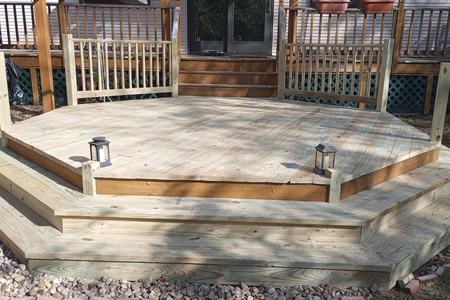
In Slidell, summer humidity hangs in the air and afternoon showers roll in fast. That mix is tough on outdoor spaces, which is why a low-maintenance deck is the smarter way to enjoy more time outside with less routine care. If you are planning a new build or replacement, start by exploring our deck building service so your layout, materials, and details all work for our climate.
Why Low Maintenance Matters In Slidell
Humidity, heat, and storm season create constant wear. Moisture lingers on surfaces, UV beats down in late afternoons, and wind-driven rain works its way into cracks. On decks around Eden Isle, Cross Gates, or Olde Towne, that can mean swelling boards, surface mildew, and hardware corrosion if the design and materials are not chosen for Gulf South weather.
Low-maintenance design is not just about the boards. It is the full system: framing that breathes, hardware that resists coastal air, rails that clean easily, and colors that stay comfortable underfoot. Done right, you get a deck that looks good longer and asks less of your weekends.
Choose Materials That Beat Humidity In The Gulf South
Most homeowners weigh composite against wood. Composites, especially modern capped lines, are engineered to resist moisture intrusion and surface growth, while wood offers a natural look with a predictable upkeep rhythm. For a deeper dive on the tradeoffs, see our local guide on wood vs. composite in the gulf south.
- Composite decking: resists rot and splinters, cleans with simple washing, and holds shape through long humid spells.
- Pressure-treated wood: timeless character and cooler feel under bare feet, but needs scheduled sealing and cleaning to keep color and grain.
Both can work in Slidell. The right choice depends on sun exposure, how much shade trees drop leaves, and how much routine care you want to plan for each year.
Design Details That Keep Maintenance Low
Boards get the attention, but the best low-maintenance decks start with smart design choices:
- Ventilated framing that allows damp air to escape so boards do not cup or stay wet.
- Gapping sized to the manufacturer’s specs for drainage and airflow, especially important in shady yards near canals.
- Picture-frame borders to control edges and help hide pollen trails between cleanings.
- Simple, wipe-clean rail profiles that do not trap water on flat tops.
Consider how you use the space. If your deck is a grilling and gathering hub, choose scratch-resistant surfaces and railings that stay steady when leaned on. If it is more of a morning coffee nook, a lighter board color and partial cover can keep it comfortable even on muggy days.
Railing, Fasteners, And Framing Built For Coastal Air
Moist air and salt spray are tough on metals. Hardware that works inland may not hold up as well on the Northshore. Ask for corrosion-resistant screws, joist hangers, and post bases rated for coastal conditions. Hidden fastener systems pair well with many composite boards and reduce places where grime collects, while quality exterior-grade screws with the right heads keep wood boards tight and serviceable over time.
For guardrails, choose systems that clean easily. Powder-coated aluminum balusters, cable rail with marine-grade fittings, or composite rail sleeves tend to shrug off moisture and rinse well. Wood rail caps look great but can act like mini shelves for rain; a shaped top or metal cap helps water shed and reduces maintenance.
Color And Heat: Stay Comfortable In August
All dark surfaces get warmer in full sun. If your deck faces southwest or catches afternoon heat, a lighter board tone, matte finish, or textured surface can keep it more comfortable. You can also design shade without heavy upkeep. A simple pergola with spaced rafters, or a light-colored awning, drops perceived temperature without turning the deck into a maintenance project.
In Olde Towne’s cottage-style homes, warm wood tones complement brick and live oaks. Along Eden Isle, cooler grays and driftwood hues match the waterfront vibe. The goal is a finish that looks right on day one and still feels inviting after a summer thunderstorm.
Drainage, Edges, And The “Clean Line” Advantage
The fastest way to turn a deck into a chore is letting water and debris sit. Subtle design moves make a big difference. Open-stringer stairs shed rain faster than boxed designs. Fascia backed by a small ventilation gap dries out instead of trapping moisture. And well-placed scuppers or notches at low points move runoff away from the house and footpaths.
Edge details matter too. Picture-framing and breaker boards help control board ends, reduce small offcuts, and create lanes that are easier to sweep. The end result is a deck that tidies up quickly after a downpour instead of one that needs scrubbing every time the clouds clear.
Layout That Fits Real Slidell Yards
Backyards in Slidell are not all the same. Some lots back to canals with steady shade and breeze. Others sit open to sun and summer showers. Think in zones. A cooking zone near the door stays cleaner and safer when traffic is straight and lighting is planned. A lounge zone further out can sit on a slightly different angle or board pattern that disguises footprints and pollen between cleanings.
If you want a sheltered sitting area without committing to a full roof, pairing the deck with custom porches can give you cover and style while keeping maintenance simple. Choose materials that match your main deck so rinsing and seasonal care line up.
Smart Choices For Fewer Chores
You do not need to overcomplicate it. A low-maintenance deck comes from a few smart, consistent choices made early with your builder:
- Pick boards for humidity performance first, looks second, knowing both composites and well-finished wood can succeed here.
- Specify corrosion-resistant hardware across the frame, rails, and stairs.
- Design for airflow and drainage so surfaces dry quickly after summer rain.
- Choose railings and details that wipe clean without traps for water and leaves.
When your plan checks those boxes, the deck spends more time looking fresh and less time asking for attention.
Timing Your Project Around Local Weather
Slidell’s calendar swings from warm, damp springs to hot, humid summers and a fall storm window. Your builder will watch forecasts to sequence framing and finishes during stable stretches. That careful timing helps boards settle, fasteners set, and surfaces cure so they resist the next wave of moisture.
If you want the fastest path to a low-maintenance result, partner with a pro who understands our microclimates, from shady lots in Cross Gates to breezier exposures near Carr Drive. You will get clear expectations on upkeep and a deck that is planned for how your yard behaves after heavy rain.
Work With A Local Team That Builds For Humidity
Choosing the right partner matters as much as the right products. A trusted local crew will recommend materials that match your sun and shade pattern, size framing for long-term stability, and set the details that keep cleaning simple. For a project designed around your home and our weather, connect with Triple J's Cutting Edge Construction and talk through layout, railing styles, color choices, and hardware options that resist coastal air.
To see how we bring all those pieces together, review our approach to a durable, low-care outdoor space on our deck building service page. You will see how design, materials, and craft combine to deliver a deck that stands up to Slidell humidity.
Ready To Enjoy Your Deck, Not Maintain It?
If you want a builder who plans for humidity from day one, reach out to Triple J's Cutting Edge Construction. As your local deck builder slidell, we help you choose boards, rails, and hardware that fit your yard and your routine so you spend weekends relaxing, not working. Call us at 228-363-0451 to schedule a visit, or start the conversation by browsing our deck building options so we can tailor a low-maintenance design to your home.
Get a Free Estimate Today One of Slidell and Picayune’s Most Trusted Handyman & Home Renovation Services